Buying & Material Guides
2026年10月1日
How to Choose the Right Natural Stone for Your Product
A practical starting point for brands developing a stone product: how form, intended use and appearance guide material selection, and what to agree before sampling.
Choosing a stone is not only a colour decision. The form you want, the way the object will be used and the look you are after all point to different materials. This guide sets out how we approach that choice when developing a custom stone product.
Bring us a drawing, sketch, reference image or an early idea. We help develop it into a natural stone product.
Start With Form and Intended Use
Begin with the shape and how the piece will be used. A shallow tray, a deep vessel and a carved figure each ask different things of the material. Whether the object is decorative, for storage, for holding water or for food contact changes the material and any testing that may be required, so it is worth confirming this at the brief stage.
Match the Stone to the Appearance
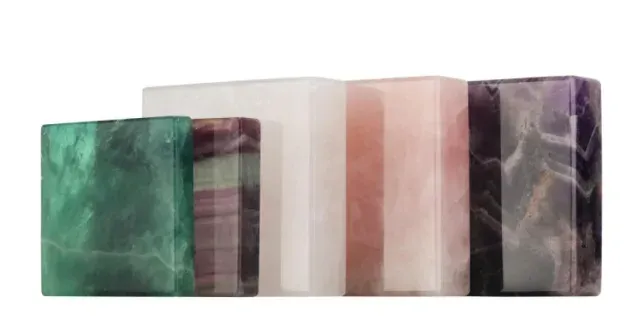
Colour, grain and pore appearance are part of the design rather than surface detail applied afterwards. Marble and travertine suit forms where their veining and texture can be read across a face. Onyx and crystalline materials can explore colour and translucency where suitable. Special minerals such as malachite can support bespoke objects and gifts, with composition and construction specified clearly.
Agree Finish and Natural Variation
Surface treatment changes how a stone reads: a polished face shows pattern and depth, while other finishes change the character of the surface. Natural variation is part of the material. A sample establishes the standard without promising identical markings, and an agreed range for colour and pattern keeps expectations clear through production.
Confirm Before Sampling
Review sections, cavities, joints, openings and any inserts, and agree the proposed construction before a sample is made. Record drawings, material references and the scope of the prototype so later changes are reviewed against an agreed starting point. To begin, send your design reference, target size and intended use, material and appearance preferences, and quantity and budget if available.